Cloud-Native Architectures for Forex Trading Platforms: Scaling, Resiliency, and Cost Efficiency
Executive Overview
Modern forex brokerages face intense demands for high availability, low latency, and rapid innovation. Cloud-native architectures offer a transformative approach to meet these challenges, moving beyond traditional infrastructure to leverage the full potential of cloud computing for unparalleled operational excellence.
This guide is written with an operational perspective for brokerage executives, technical teams, and investors who need an executable output.
Table of Contents
The Imperative for Cloud-Native Transformation in Forex Brokerage
In the highly competitive and volatile world of forex trading, brokerage firms are under constant pressure to deliver superior performance, ironclad reliability, and agile service delivery. Traditional monolithic architectures often struggle to keep pace with rapid market changes, sudden spikes in trading volume, and the need for continuous feature deployment. This is where cloud-native architectures emerge as a strategic imperative, offering a paradigm shift from conventional infrastructure to a dynamic, scalable, and resilient ecosystem built for the future.
For founders and operators, embracing a cloud-native strategy is not merely about moving servers to the cloud; it's about fundamentally rethinking how trading infrastructure is designed, deployed, and managed to unlock unprecedented levels of efficiency and innovation.
Defining Cloud-Native: Beyond Basic Cloud Adoption
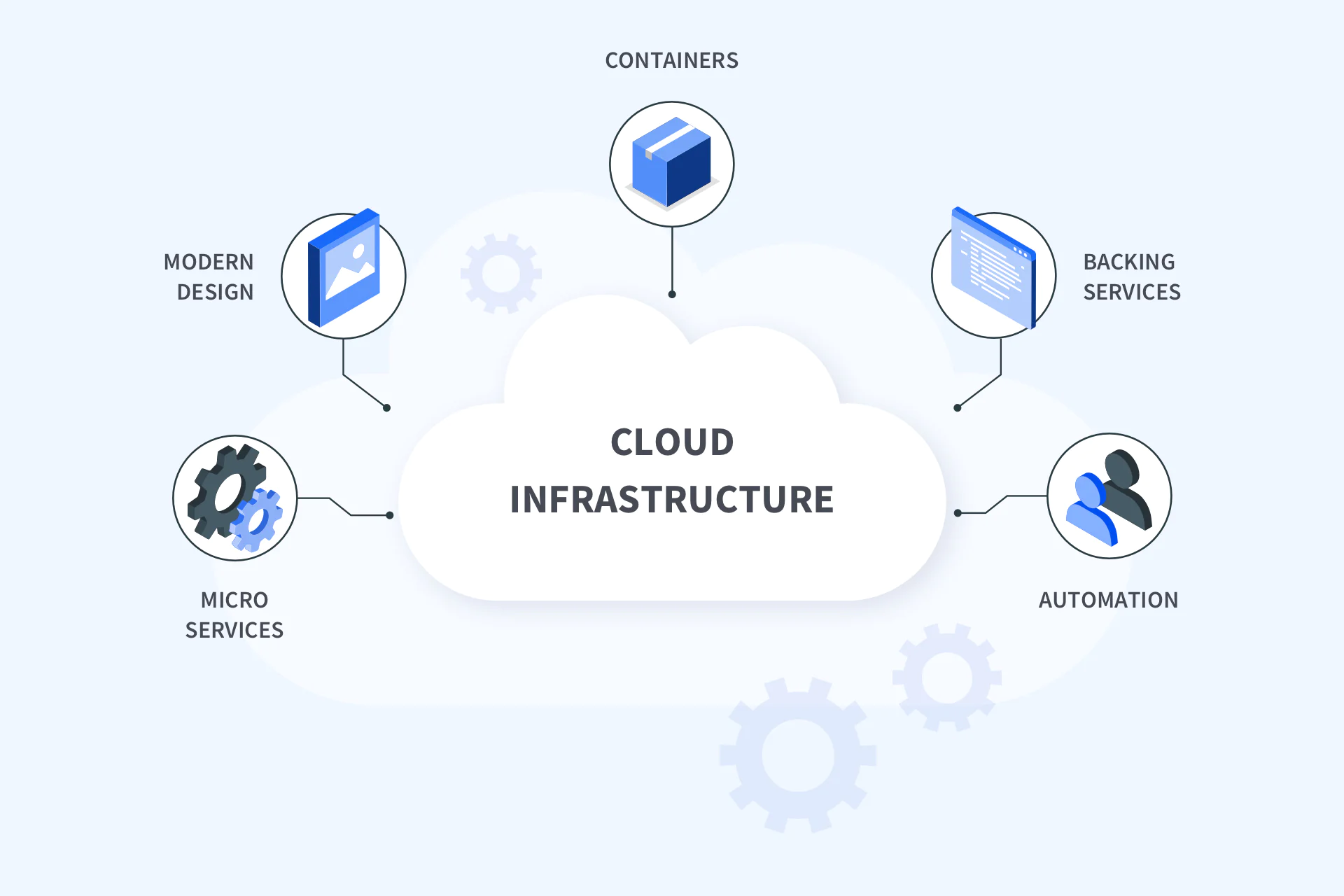
Cloud-native refers to an approach to building and running applications that fully leverage the advantages of the cloud computing delivery model. It is characterized by several core principles:
- Microservices: Breaking down applications into small, independent, loosely coupled services that communicate via APIs. This allows for independent development, deployment, and scaling of components.
- Containers & Orchestration: Packaging applications and their dependencies into lightweight, portable containers (e.g., Docker) and managing their lifecycle and deployment at scale using orchestrators like Kubernetes.
- Continuous Integration/Continuous Delivery (CI/CD): Automating the entire software release process, enabling faster, more frequent, and more reliable updates.
- DevOps Culture: Fostering collaboration between development and operations teams to streamline workflows and improve operational efficiency.
- Observability: Implementing comprehensive monitoring, logging, and tracing to gain deep insights into application performance and quickly identify and resolve issues.
- Immutable Infrastructure: Treating infrastructure as code, where servers are provisioned and configured automatically and are never modified after deployment.
Key Benefits for Forex Brokerage Infrastructure
Adopting a cloud-native approach offers a multitude of strategic advantages for forex brokerages:
- Enhanced Scalability and Elasticity: Cloud-native systems can automatically scale resources up or down in response to fluctuating trading volumes, ensuring seamless performance during peak market events without over-provisioning infrastructure.
- Superior Resilience and High Availability: By distributing workloads across multiple availability zones and leveraging self-healing capabilities of container orchestration, brokerages can achieve near-zero downtime, protecting against hardware failures and regional outages.
- Optimized Cost Efficiency: The pay-as-you-go model, coupled with efficient resource utilization through containers and serverless functions, significantly reduces operational expenditure (OpEx) by eliminating the need for extensive on-premise hardware and maintenance.
- Accelerated Innovation and Feature Deployment: CI/CD pipelines and microservices architecture enable development teams to rapidly iterate on new features, deploy updates with minimal disruption, and respond quickly to market demands and competitive pressures.
- Global Reach and Reduced Latency: Cloud providers offer data centers worldwide, allowing brokerages to deploy infrastructure closer to their client base, thereby reducing latency and improving the trading experience for international users.
Strategic Considerations and Challenges
While the benefits are compelling, a successful transition to cloud-native requires careful planning and addresses specific challenges:
- Migration Complexity: Moving from legacy monolithic systems to microservices can be a complex and resource-intensive undertaking, often requiring a phased approach and significant re-architecting.
- Security and Compliance: Ensuring data security, regulatory compliance (e.g., GDPR, MiFID II), and data residency requirements in a multi-cloud or hybrid cloud environment demands robust security protocols and diligent auditing.
- Talent Gap: Building and maintaining cloud-native infrastructure requires specialized skills in DevOps, Kubernetes, cloud security, and distributed systems, which can be challenging to acquire.
- Cost Management: While offering efficiency, cloud costs can quickly escalate if not properly managed and optimized through meticulous monitoring, resource tagging, and reserved instances planning.
- Vendor Lock-in: Relying heavily on a single cloud provider's proprietary services can lead to vendor lock-in. A multi-cloud or hybrid strategy may mitigate this but adds complexity.
Implementing a Cloud-Native Strategy: A Roadmap for Founders
For founders and operators looking to embark on this transformative journey, consider these steps:
- Assess Existing Infrastructure: Identify monolithic components, data dependencies, and areas ripe for microservices decomposition.
- Pilot Projects: Start with non-critical applications or new features built with cloud-native principles to gain experience and demonstrate value.
- Invest in Talent and Training: Upskill existing teams or hire specialized cloud-native engineers and DevOps practitioners.
- Prioritize Security and Compliance by Design: Integrate security measures and compliance checks into every stage of the development and deployment pipeline.
- Embrace Automation: Leverage infrastructure as code (IaC) tools and CI/CD pipelines to automate provisioning, deployment, and testing.
- Monitor and Optimize: Implement robust observability tools to continuously monitor performance, identify bottlenecks, and optimize cloud resource utilization and costs.
Conclusion: Future-Proofing Your Forex Brokerage
The shift to cloud-native architectures is no longer an option but a strategic necessity for forex brokerages aiming for long-term growth and sustained competitive advantage. By embracing microservices, containers, and automated workflows, operators can build resilient, scalable, and cost-efficient trading platforms capable of navigating the complexities of modern financial markets. This transformation positions brokerages to innovate faster, serve clients better, and secure their place at the forefront of the fintech revolution.
Operator Note:
Decisions in this article should be adapted to capital capacity, risk model, and target market; there is no one-size-fits-all setup.